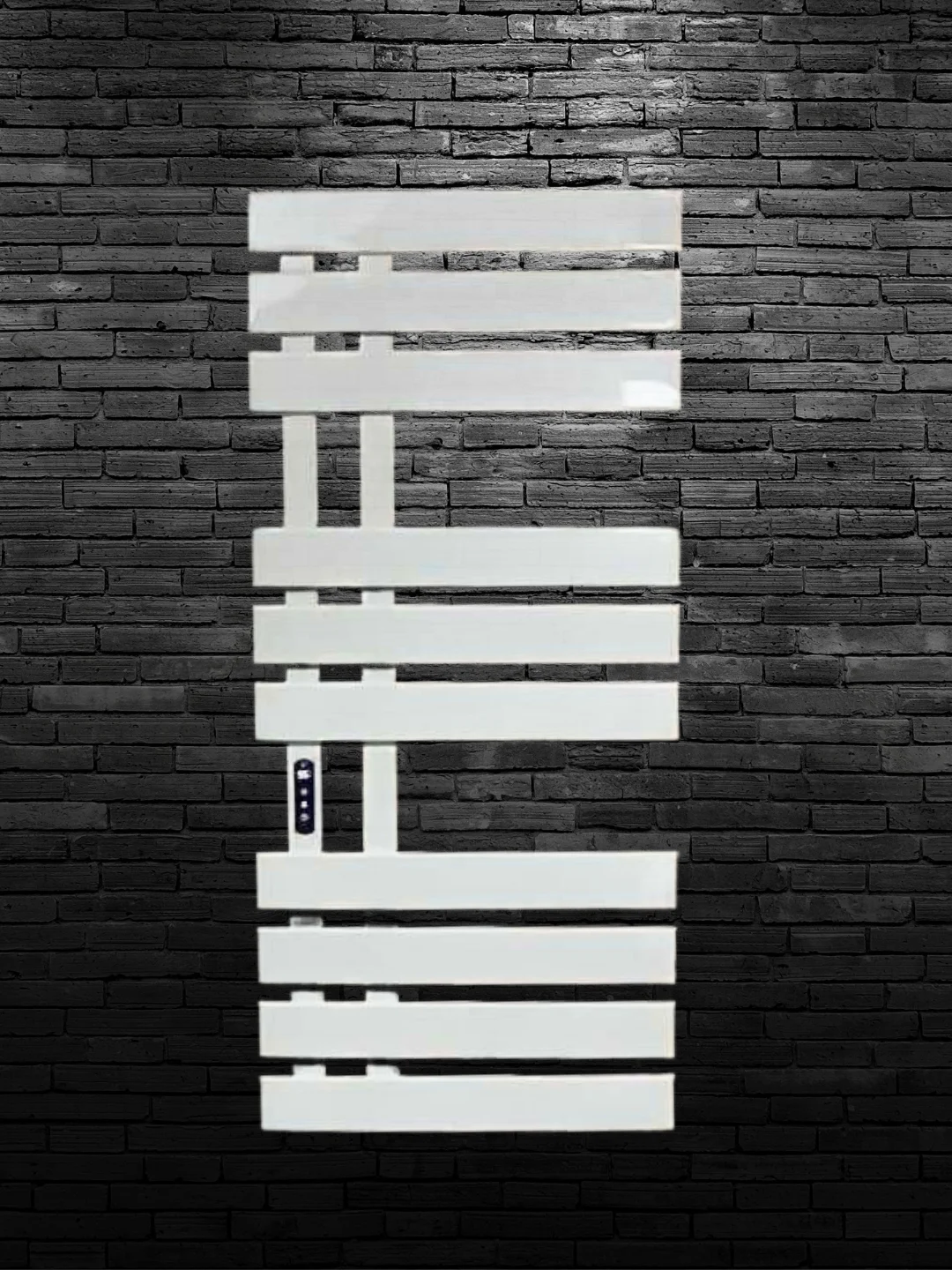
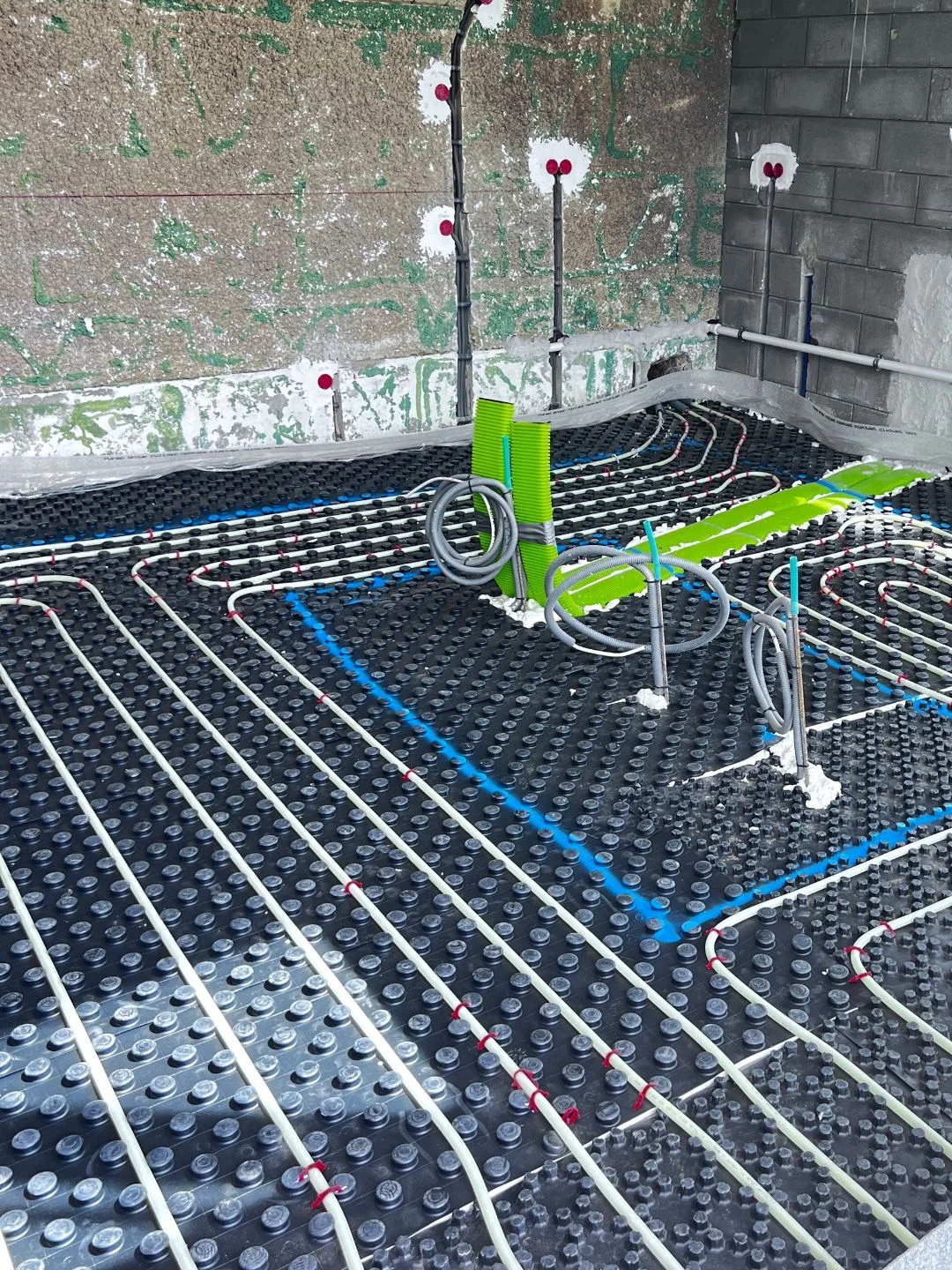
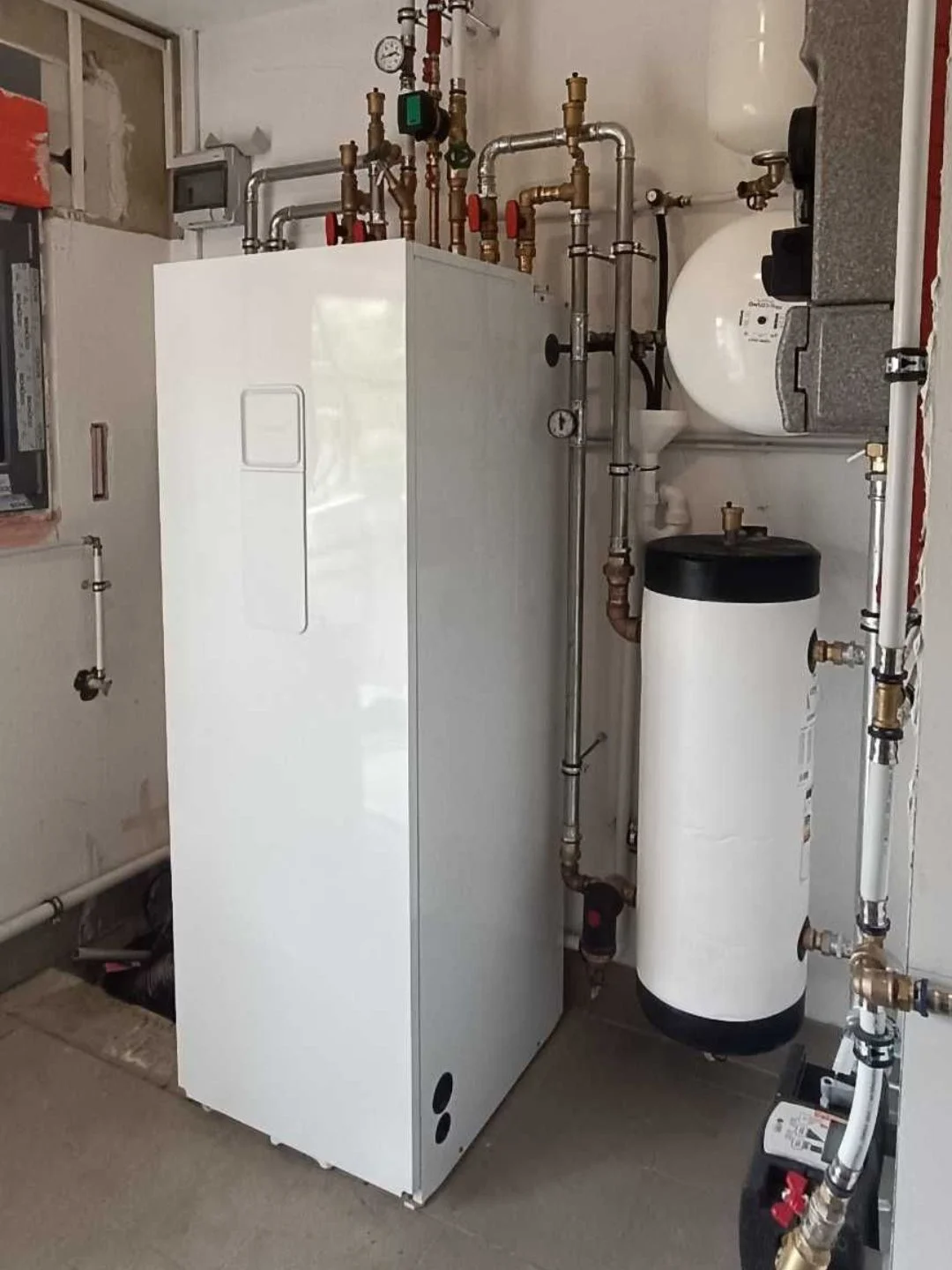
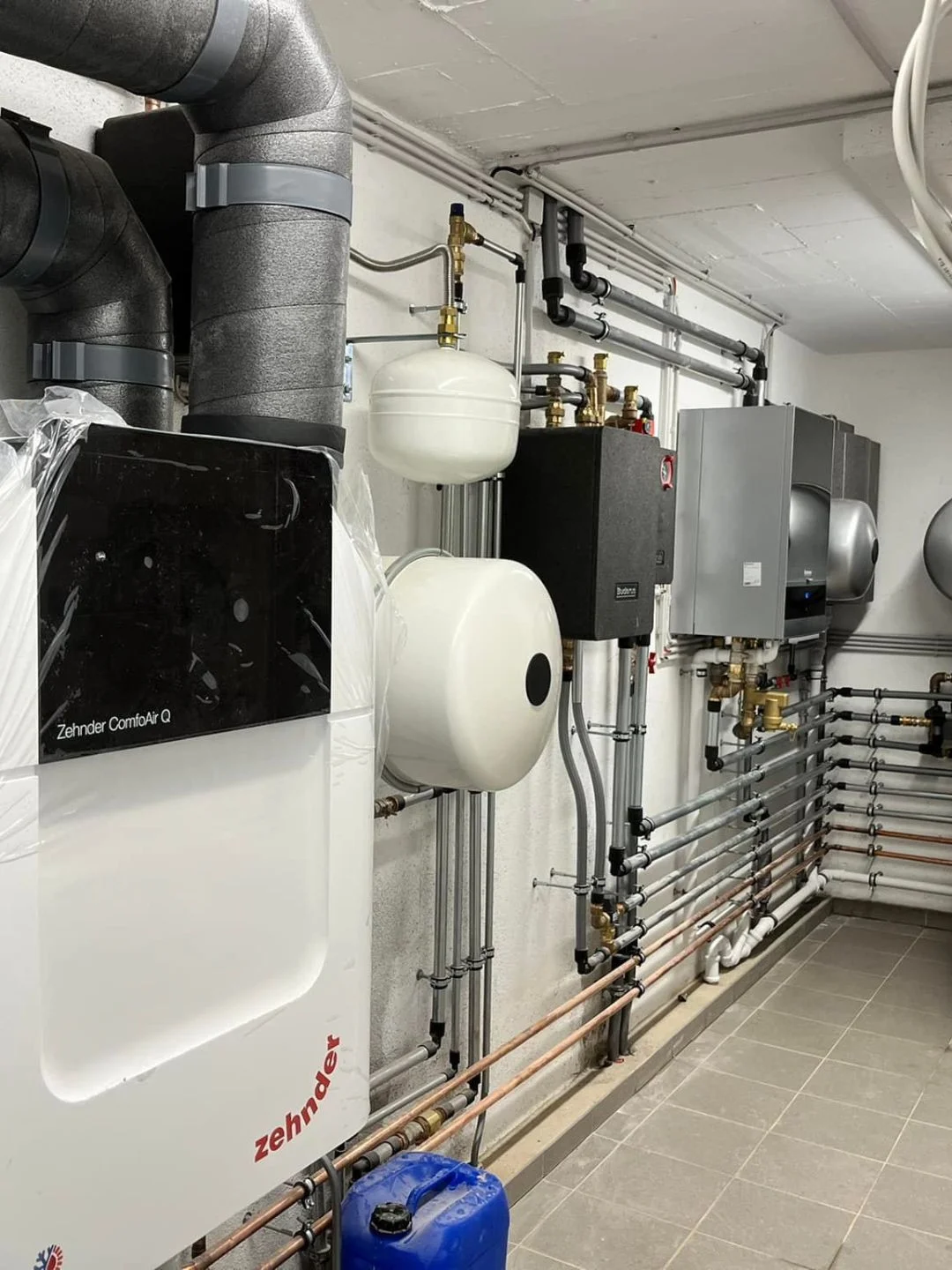
Our heating installation service covers both individual and collective solutions (boilers, heat pumps, hybrid systems), with precise system sizing and implementation in compliance with regulatory requirements.
Gas and oil heating systems
Our technicians also assist you with the installation of gas and oil boilers. Although these heating systems are less popular than heat pumps in new constructions, they remain widely used and appreciated.
Gas boilers
These systems are attractive due to their quick return on investment and low installation cost. Compact and easy to operate, they offer a service life of around 20 years. However, annual maintenance is essential.
To further reduce your heating costs, we recommend opting for a condensing boiler.
Oil boilers
Although efficient, oil heating systems require more space due to the need for a storage tank. Heating oil offers a competitive cost and high efficiency, providing thermal comfort in a short amount of time.
Heat pumps: renewable energy and energy savings
Increasingly popular, heat pumps are both economical and environmentally friendly systems. Air-to-air, air-to-water or geothermal heat pumps extract energy from the air or the ground. Below are the main advantages of this heating solution.
Air-to-air heat pump
This type of heating system uses calories from the outside air. The captured energy raises the temperature of a refrigerant fluid, which then turns into vapor in the condenser. An air-to-air heat pump requires at least two units: an outdoor unit that captures energy and one or more indoor units that distribute heat. These indoor units are known as fan coil units.
Air-to-water heat pump
The air-to-water heat pump operates similarly to the air-to-air system by extracting energy from outdoor air. However, it works with a refrigerant or glycol water. One unit is installed outdoors and another indoors. Connected to radiators or underfloor heating, it heats the water for your heating system. It can also be connected to a central heating network. Reversible, it allows cooling in summer and can also produce domestic hot water.
Geothermal heat pump
Geothermal heat pumps extract energy from the ground using buried collectors. There are four types: ground-to-ground, ground-to-water, brine-to-water and water-to-water heat pumps. Energy can be collected horizontally, vertically or from a groundwater source near the building.